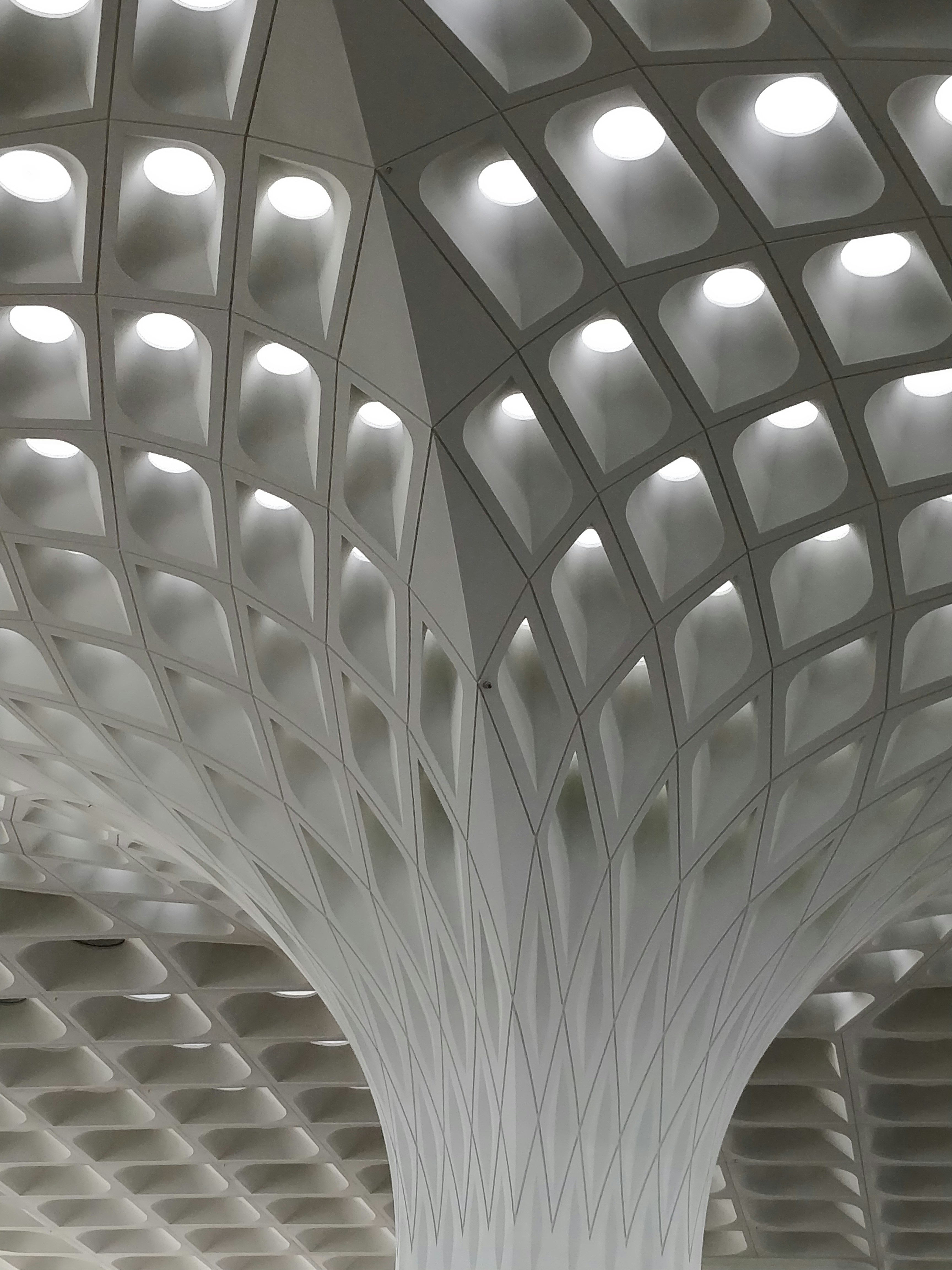
Introduction to False Ceiling Design
False ceilings have become an integral element in modern interior design, offering both aesthetic appeal and functional benefits. A false ceiling, also known as a drop ceiling or suspended ceiling, involves the installation of a secondary ceiling below the main structural ceiling. This approach not only enhances the overall look of a room but also provides insulation and soundproofing.
Advantages of False Ceilings
One of the primary advantages of false ceiling design is its versatility. Homeowners and designers can choose from a variety of materials, colors, and textures to create a customized look that complements any interior decor. Additionally, false ceilings facilitate the concealment of wiring, plumbing, and ductwork, resulting in a cleaner and more organized space.
Choosing the Right Design
When selecting a false ceiling design, consider factors such as the height of the room, the overall theme of the space, and the intended purpose of the area. For instance, in a living room, a more decorative approach with intricate patterns may be suitable, while in an office, a simpler design that promotes focus and productivity may be preferred. Investing time in the design phase can significantly enhance the ambiance of any room.
In conclusion, false ceiling design is not only about beauty but also about enhancing the functionality of a space. Whether you opt for modern minimalism or elaborate decorative elements, the right false ceiling will transform your home or office environment effectively.